
When to Use a Telescopic Universal Coupling
Table of Contents
Introduction
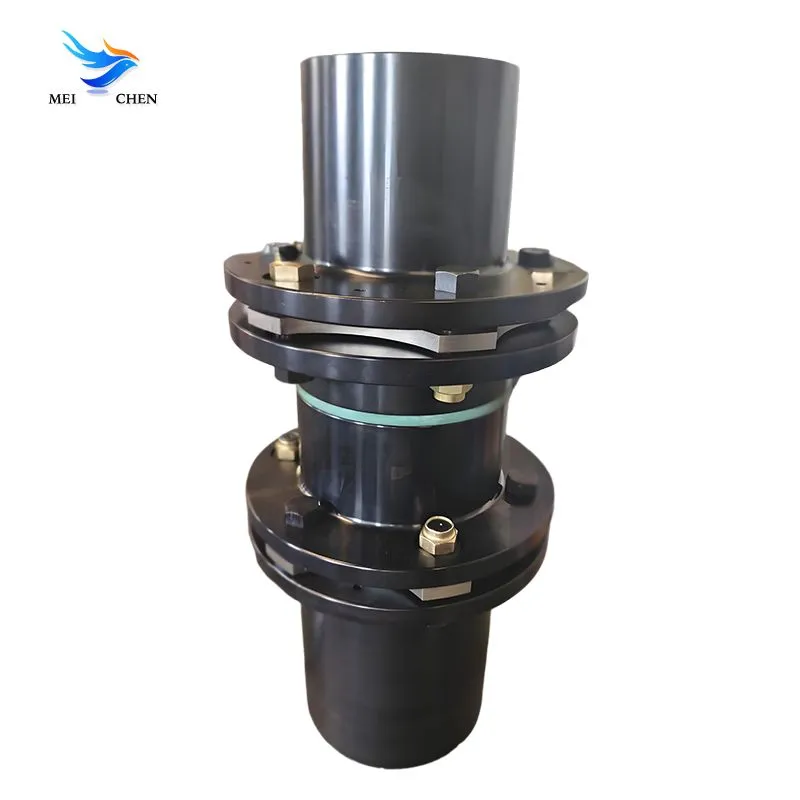
A telescopic universal coupling is a vital component in many machinery setups. It helps connect shafts that are not in a straight line. Many mechanical systems rely on this part for smooth operation. Understanding when to use a telescopic universal coupling can help you avoid mechanical failures. This coupling is often found in applications requiring flexibility, such as automotive and industrial systems. Proper installation is crucial to ensure its effectiveness and longevity.
Summary Answer
**A telescopic universal coupling should be used when you need to connect shafts at an angle or when distances between shafts might vary. This coupling is also essential in applications where flexibility and torque transmission are crucial.**
1. When to Use a Telescopic Universal Coupling
1.1 Applications Requiring Flexibility
These couplings are ideal for systems where parts may shift due to thermal expansion or load variations. They compensate for changes in alignment, ensuring smooth operation.
1.2 Machines with Variable Distances
This coupling type is perfect for setups where components might not remain static. For example, in cranes or hoists, where the distance can change depending on the load height.
1.3 Systems Subject to Vibration or Shock
Telescopic universal couplings can absorb shocks and vibrations. This feature protects sensitive machinery parts from potential damage.
2. Benefits of Using a Telescopic Universal Coupling
2.1 Improved Efficiency
A telescopic universal coupling enhances the overall performance of machines by allowing them to operate smoothly, even under challenging conditions. This efficiency minimizes energy loss.
2.2 Longer Lifespan
Using this coupling can extend the life of other machine components by reducing wear and tear caused by misalignment and vibrations. Properly maintained systems can operate for years without significant issues.
2.3 Cost-Effective Solution
Investing in a telescopic universal coupling can save costs in the long run. Fewer breakdowns lead to reduced maintenance expenses and higher productivity.
3. Applications of Telescopic Universal Couplings
3.1 Automotive Industry
In vehicles, these couplings are often used in the driveshaft to transfer power between the engine and wheels, accommodating engine movements.
3.2 Industrial Machinery
Manufacturing equipment frequently employs telescopic universal couplings to connect motors with machinery where space or alignment changes may occur.
3.3 Conveyor Systems
Conveyors often need flexible connections to handle payload movements. Telescopic couplings help to maintain operational efficiency despite varying loads.
Conclusion
In summary, knowing when to use a telescopic universal coupling is essential for maintaining mechanical efficiency. These couplings are crucial in applications requiring flexibility and support under dynamic conditions. Proper use can lead to improved machinery performance and longevity.
FAQ
What is a telescopic universal coupling?
A telescopic universal coupling connects shafts that are not aligned and can adjust to changing distances.
When should I consider using this type of coupling?
Consider using it when you need flexibility, manage variable distances, or deal with vibrations in your machinery.
How do I maintain a telescopic universal coupling?
Regularly check for wear, keep it lubricated, and ensure proper alignment to maintain its effectiveness.


